
Stroll Through Gariahat’s Past
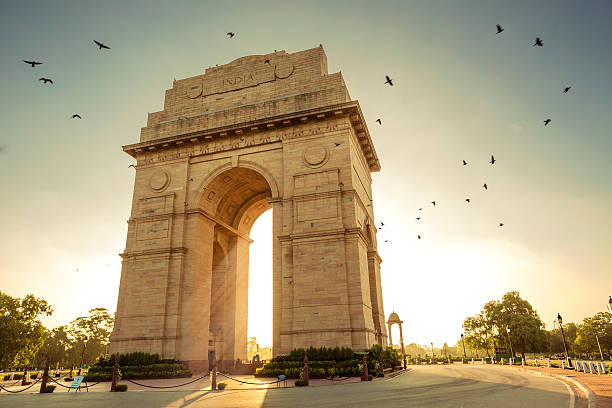
Before it became the bustling hub of sarees, sweets, and street sellers, Gariahat was part of a sleepy suburb in South Kolkata. The name itself comes from “Garia” — a nearby locality — and “hat,” meaning marketplace in Bengali. What started as a modest local market slowly grew into one of the city’s most iconic commercial and cultural zones.
In the British era, Gariahat’s surrounding areas saw the rise of residential settlements, educational institutions, and tramlines that connected it to the beating heart of North and Central Calcutta. By the mid-20th century, Gariahat evolved into a destination — not just for trade, but for adda, intellectualism, and community life.
The intersection of Rashbehari Avenue and Gariahat Road became the lifeline of South Kolkata — where grandmothers came for Benarasi sarees, parents hunted for school uniforms, and couples sneaked off for a quick egg roll. Over time, generations have passed down the tradition of “Gariahat shopping days” as a rite of passage.
Through political changes, urban development, and cultural evolution, Gariahat has remained constant — familiar, chaotic, nostalgic, and endlessly alive.
How to Get There
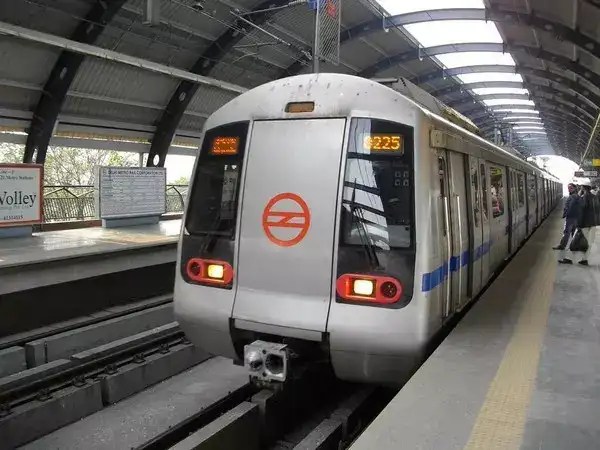
Metro
Metro travel is a fast, convenient, and eco-friendly way to commute in cities, reducing traffic congestion. With smart cards, QR tickets, and modern facilities, it ensures a smooth and safe journey. Many Indian cities like Delhi, Mumbai, and Bengaluru rely on metro systems as a vital part of daily transportation.
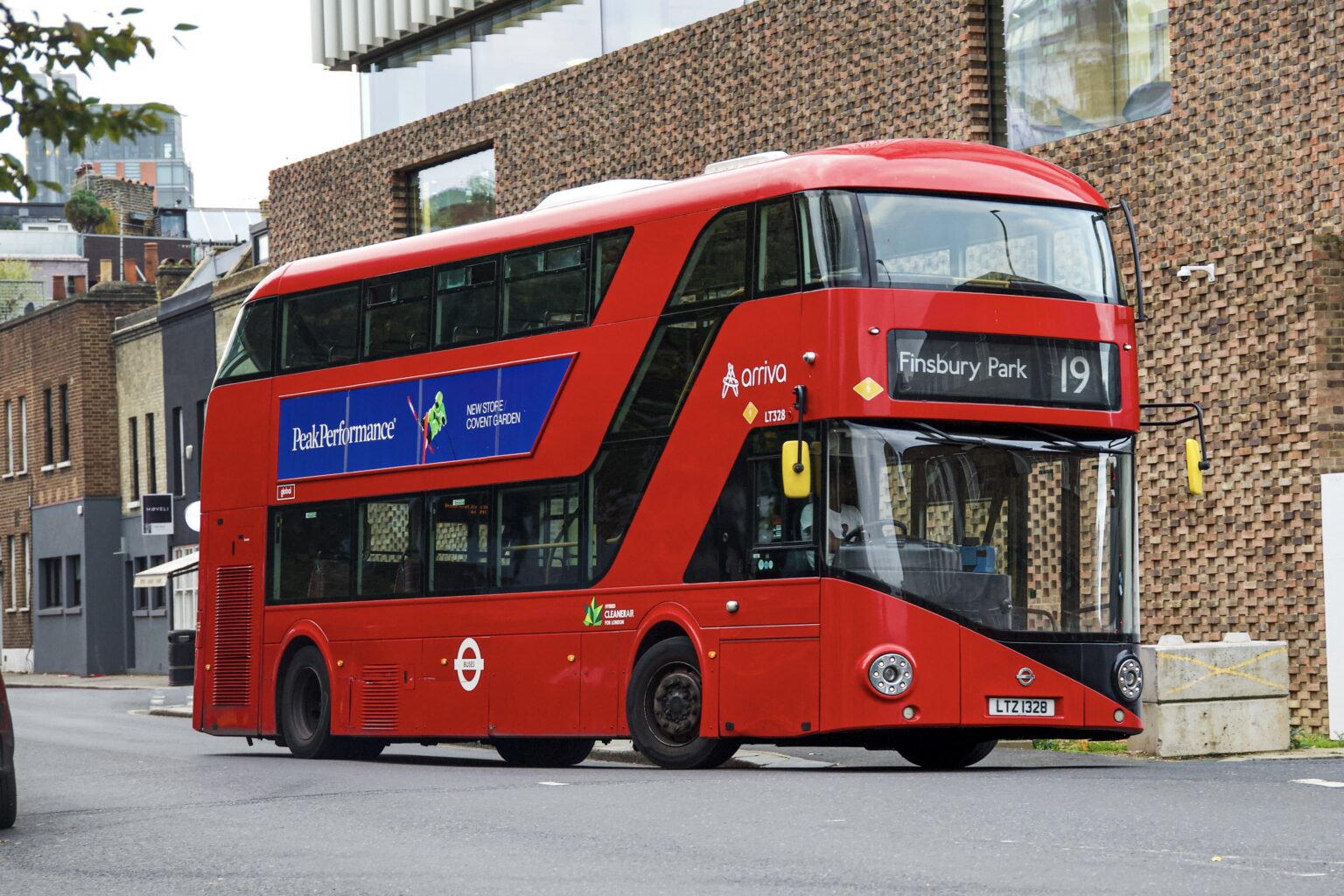
Bus
uses are one of the most affordable and widely used modes of public transport, connecting cities and rural areas. They help reduce traffic congestion and pollution by carrying multiple passengers in a single trip. Modern buses now offer facilities like air conditioning, digital ticketing, and comfortable seating for a better travel experience.

Walking
Walking is the simplest and healthiest mode of travel, benefiting both physical fitness and the environment. It requires no cost, reduces carbon footprint, and allows people to explore places at their own pace. Walking regularly improves overall well-being and promotes a sustainable lifestyle.
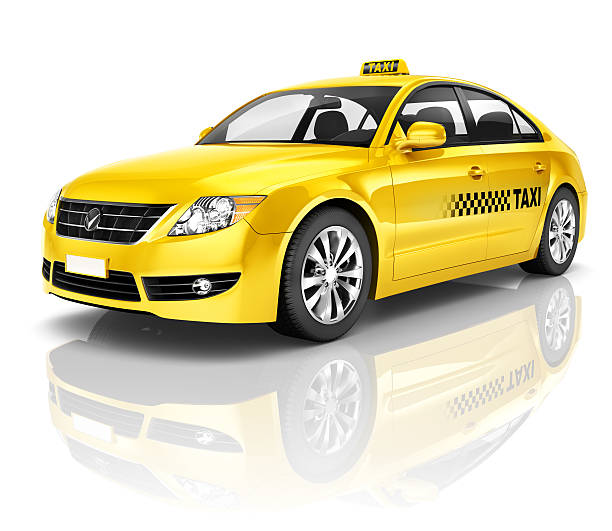
Taxi
Taxis are a convenient and comfortable mode of transport, offering door-to-door service in cities and towns. They save time, provide privacy, and are available 24/7 through ride-hailing apps like Uber and Ola. Though costlier than public transport, taxis offer a hassle-free and flexible travel experience.Taxis are a convenient and comfortable mode of transport, offering door-to-door service in cities and towns. They save time, provide privacy, and are available 24/7 through ride-hailing apps like Uber and Ola. Though costlier than public transport, taxis offer a hassle-free and flexible travel experience.
Do’s & Don’ts
Tips on navigating the area, bargaining, local etiquette!
Use Maps & Local Transport Smartly – Download offline maps, use public transport apps, and opt for auto-rickshaws, buses, or metro for cost-effective travel.
Master the Art of Bargaining – In local markets, start with half the quoted price and negotiate politely. Walk away if needed—vendors may call you back with a better deal!
Respect Local Customs & Dress Modestly – Observe cultural norms, especially in religious places, and wear appropriate attire. A simple greeting in the local language goes a long way!
Try Street Food Wisely – Eat where locals crowd, choose fresh, hot food, and carry bottled water to avoid stomach issues.
Be Mindful of Personal Space & Behavior – Some cultures prefer a more formal approach; avoid excessive public displays of affection and loud conversations.
Keep Cash & Small Change Handy – Many small vendors prefer cash over digital payments, so carry enough small denominations for smooth transactions.
 Gariahat.com – Your Local Guide to Shopping & Culture